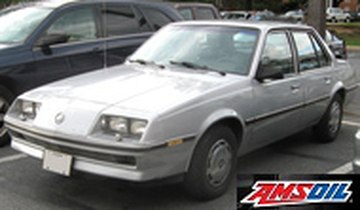
Lubrication Maintenance for the 1982 Buick SKYHAWK 1.8L
Maintaining a vehicle from the early 1980s requires a proactive approach to fluid management and mechanical inspection. For the 1982 Buick SKYHAWK equipped with the 1.8L engine, consistent attention to lubrication systems is a fundamental aspect of long-term ownership. Because older engines may exhibit different sealing characteristics than modern counterparts, understanding how to monitor and respond to changes in lubricant condition is essential for preserving engine health.
Monitoring Fluid Integrity and Potential Leaks
One of the most effective ways to manage an aging engine is through regular visual inspections of the lubrication system. Rather than waiting for a warning light or a significant loss of fluid, owners should periodically check for signs of seepage or active leaks. When inspecting the engine bay, look for dark, oily residue around various sealing surfaces and connection points.
If you notice wetness or staining on the underside of components, it may indicate that a gasket or seal is beginning to lose its effectiveness. It is also useful to inspect the area surrounding the oil drain plug and the filter mounting area to ensure there is no weeping from these common service points. Identifying small amounts of seepage early can help prevent more significant issues that might arise if fluid levels drop unexpectedly.
In addition to looking for external leaks, pay attention to any changes in how much lubricant the engine seems to use between service intervals. While some degree of consumption can occur as engines age, a noticeable increase in the frequency of top-offs warrants closer investigation into the engine's current condition and sealing integrity.
Observing Changes in Lubricant Condition
The physical appearance and smell of your engine oil can provide important clues regarding the internal state of the 1.8L engine. During routine checks, it is helpful to examine the oil on a clean dipstick or a sample caught from a drain plug. The lubricant should generally appear consistent in color and texture.
Several indicators may suggest that the oil requires more immediate attention:
- Discoloration: While oil naturally darkens over time due to use, an extremely rapid change in color or a milky, cloudy appearance can be associated with various internal conditions.
- Odor: A strong smell of fuel within the oil may indicate that combustion byproducts are entering the crankcase, which can affect the lubricant's ability to protect engine components.
- Texture Changes: If the oil feels gritty or contains visible particulate matter, it suggests that contaminants are present and that the filtration system or the oil itself is no longer performing effectively.
If any of these symptoms are observed, they should be investigated promptly. These signs do not always point to a single specific failure, but they serve as important indicators that the lubrication environment has changed and requires professional assessment.
Prioritizing Maintenance Based on Current Condition
For owners of a 1982 Buick SKYHAWK, effective maintenance is often about distinguishing between routine preventive tasks and addressing active mechanical needs. Rather than following a rigid schedule based solely on the age of the vehicle, it is often more practical to prioritize service based on the actual condition of the components.
If you are stepping into ownership of this vehicle without a complete service history, your first priority should be establishing a maintenance baseline. This involves performing a thorough inspection of all fluids and belts (if equipped) and documenting their current state. Once you have a clear understanding of how the engine is currently behaving, you can better decide whether to focus on preventive measures or address existing signs of wear.
Reviewing any available repair records is also highly beneficial. Knowing when components were last serviced allows you to move away from guesswork and toward a more informed maintenance strategy. For example, if there is evidence of consistent oil changes in the past, you can focus your attention on other aging materials like hoses or electrical connections that may be nearing the end of their service life.
Managing Aging Engine Components
As vehicles from this era continue to operate, certain peripheral components require careful monitoring. While the engine itself is the primary focus, the systems that support it—such as the cooling system and the electrical architecture—play a vital role in maintaining stable operating temperatures and reliable performance.
If equipped, inspect accessible drive belts for signs of deterioration such as cracking, glazing, or fraying. Similarly, if the vehicle is present with various rubber hoses, check them for excessive softness, hardening, or visible leaks. Maintaining these auxiliary components helps ensure that the engine operates within its intended parameters, which in turn protects the lubrication system from the stresses caused by overheating or irregular mechanical operation.
Electrical connections and wiring should also be inspected for signs of corrosion or brittle insulation. Ensuring that sensors and connectors remain clean and secure is a key part of preventing erratic readings that could lead to improper engine management or unnecessary service concerns.
Effective Record Keeping for Long-Term Ownership
One of the most overlooked aspects of maintaining an older vehicle like the 1982 Buick SKYHAWK is the habit of detailed record-keeping. Maintaining a log of every oil change, filter replacement, and mechanical repair provides a roadmap of the vehicle's health over time.
A well-maintained service history allows you to identify patterns that might otherwise go unnoticed. For instance, if you notice that you are replacing certain components more frequently than expected, your records can help determine if this is a recurring issue or an isolated incident. Furthermore, having documented proof of consistent maintenance can be invaluable when determining the overall value and mechanical readiness of the vehicle.
When recording service, include not just the date and mileage, but also specific observations made during the process, such as the condition of fluids or any minor seepage noted during an inspection. This level of detail transforms a simple list of repairs into a comprehensive diagnostic tool for future maintenance decisions.
Practical Advice for Buying Engine Oil for your 1982 Buick SKYHAWK 1.8L
When it is time to replenish the lubrication in your engine, selecting the correct product is vital for ensuring the continued protection of the internal components. Because different formulations offer varying levels of additive packages and base oils, you should make your selection based on the specific requirements of your application.
To ensure compatibility, match the engine oil to the application-specific viscosity information already displayed on this webpage. Do not rely on general automotive knowledge or assumptions about what an older engine might need; instead, use the data provided in the technical specifications above to guide your purchase.
When shopping for products, consider the following practical steps:
- Verify API Certification: Ensure that any oil you purchase carries a current and appropriate certification to confirm it meets modern quality standards for lubrication and deposit control.
- Evaluate Formulations: Depending on your specific needs, you may choose between conventional, synthetic blend, or full synthetic oils. Some high-mileage formulations also contain additives intended for use in aging engines, including seal-conditioning additives that may be beneficial for vehicles showing signs of minor seepage.
- Check Product Labels: Always double-check the label on the container to confirm that the viscosity grade and service rating align exactly with the requirements listed for your 1.8L engine.
By following the application-specific guidance provided on this page, you can select a lubricant that is appropriate for the current condition and technical requirements of your vehicle.